


UK Gambling Commission consumer protection Key Takeaways
The UK Gambling Commission is the watchdog that keeps online and land-based gambling fair, safe, and crime-free in Great Britain.
- The UK Gambling Commission consumer protection model includes strict licensing requirements, mandatory safer gambling tools, and real-time transaction monitoring.
- Players can use free services like GAMSTOP, GamBan, and national deposit limits to control their spending under the Commission’s rules.
- Recent reforms like the 2023 White Paper propose further affordability checks and stake limits for online slots to strengthen consumer safeguards.

How the UK Gambling Commission Consumer Protection Framework Works
The Gambling Commission (UKGC) was established under the Gambling Act 2005 and began regulating all commercial gambling in Great Britain in 2007. Its core remit is to keep gambling crime-free, protect the vulnerable, and ensure operators treat players fairly. Today, the UK Gambling Commission consumer protection strategy is built on three pillars: licensing, ongoing supervision, and enforcement. For a related guide, see 7 Essential Features of the Gambling Control Act Every Online.
Every operator offering services to British consumers must hold a UKGC license. This license requires operators to verify customer identities, prevent underage gambling, and offer tools such as deposit limits, reality checks, and self-exclusion. The Commission conducts regular audits and mystery shopping to ensure compliance. When operators fail, the UKGC can issue fines, revoke licenses, or even prosecute directors — as seen with recent record fines against major brands. For a related guide, see 7 Warning Signs: Recognising Gambling Scams, Impersonation.
Key Consumer Protection Initiatives Mandated by the UKGC
The Commission’s most visible consumer protection tools are the ones players encounter directly on licensed sites. These include:
- Mandatory deposit limits — operators must offer players the ability to set daily, weekly, or monthly deposit caps before they can gamble.
- Reality check pop-ups — time and spend reminders that appear at intervals set by the player.
- Self-exclusion via GAMSTOP — a free national scheme that blocks access to all licensed UK gambling sites for 6 months, 1 year, or 5 years.
- Affordability checks — operators must assess a player’s financial situation if they show signs of harmful play or spend above set thresholds.
- Advertising and bonus rules — strict limits on wagering requirements and a ban on ads that target vulnerable groups, including children.
These measures are not optional. Any operator that fails to implement them risks losing their license. The Commission also runs the Safer Gambling Campaign, an awareness programme that directs players to tools like GamCare and the National Gambling Helpline.
The Impact of UK Gambling Regulation on Consumer Trust
Since the UKGC took full control, the gambling regulation UK landscape has become one of the most tightly controlled in the world. A 2023 survey by the Gambling Commission itself showed that 78% of online gamblers feel safer using a UKGC-licensed site compared to unlicensed alternatives. This trust is hard-won, but it has direct benefits for consumers.
For example, when the Commission introduced mandatory affordability checks in 2022, some critics argued it was too intrusive. Yet early data from the National Centre for Social Research indicates that problem gambling rates in Great Britain have remained stable at around 0.3% of the adult population — among the lowest globally. The Commission’s focus on early intervention and harm prevention is clearly having an impact.
Real-World Examples of UKGC Enforcement
Fines and license revocations are a powerful deterrent. In 2023 alone, the UKGC issued over £20 million in fines for consumer protection failures. One high-profile case involved a major operator that failed to intervene when a customer lost £50,000 in a single month with no affordability checks. The operator was fined £7 million and ordered to refund affected customers.
Another case saw a popular bingo site lose its license after it allowed a self-excluded player to continue gambling for three months. These actions send a clear message: the UK Gambling Commission consumer protection mandate is enforced rigorously.
Future Challenges for Consumer Protection in UK Gambling
Despite its successes, the UKGC faces several pressing challenges. The 2023 White Paper “High Stakes: Gambling Reform for the Digital Age” proposed new measures including stake limits for online slots (£2–£5 per spin) and mandatory financial risk checks for higher-spending players. However, implementation has been delayed by industry pushback and political debate.
Another major challenge is the rise of “black market” gambling sites. As UKGC regulation tightens, some players migrate to unlicensed offshore sites that offer no consumer protection at all. The Commission estimates that up to 200,000 British consumers currently gamble on unlicensed sites. It has responded with a dedicated enforcement team and a public education campaign urging players to check if a site is licensed via the official register.
What the Future Holds for Regulation
The next year will be critical. The UKGC is expected to finalise rules on stake limits, introduce a statutory levy on operators to fund addiction treatment, and expand the GAMSTOP scheme to include land-based venues. For consumers, the key takeaway is clear: always check that a site displays the UKGC logo and registration number, and make full use of the free protection tools available.
Practical Steps Players Can Take Today
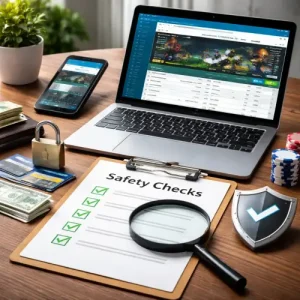
You don’t have to wait for new laws to protect yourself. Here is a quick checklist based on consumer protection gambling best practices:
| Action | How to Do It | Why It Helps |
|---|---|---|
| Check a site’s license | Visit the UKGC’s public register at gamblingcommission.gov.uk | Confirms the operator is regulated and accountable |
| Set deposit limits | Go to your account settings on any licensed site | Prevents large, impulsive losses |
| Sign up to GAMSTOP | Visit gamstop.co.uk (free) Also consider GamBan blocking software | Self-exclusion from all UKGC sites |
| Use reality checks | Set reminders in your account settings | Keeps track of time and money spent |
| Monitor your play with GamCare | Use GamCare’s free online assessment tool | Early warning signs for harmful behaviour |
By taking these steps, you stay in control and ensure that your gambling remains a safe form of entertainment. The UK Gambling Commission consumer protection tools are there for you — use them.
Useful Resources
For more details on how the Commission protects consumers, visit the official page: Safer Gambling Advice from the UK Gambling Commission.
To check if an operator is licensed, use the public register: UKGC Public Register of Licensed Operators.
Frequently Asked Questions About UK Gambling Commission consumer protection
What is the UK Gambling Commission ?
The UK Gambling Commission is the regulatory body for all commercial gambling in Great Britain, responsible for issuing licenses, enforcing compliance, and protecting consumers from harm.
How does the UKGC protect consumers?
The UKGC mandates tools like deposit limits, reality checks, self-exclusion (GAMSTOP), affordability checks, and strict advertising rules to keep gambling fair and safe.
Are all UK gambling sites regulated by the UKGC?
No. Only sites holding a valid UKGC license are regulated. Unlicensed offshore sites are illegal and do not offer consumer protections. Always check the public register before playing.
What is GAMSTOP?
GAMSTOP is a free national self-exclusion service that allows players to block access to all UKGC-licensed gambling sites for a chosen period between 6 months and 5 years.
Can I set deposit limits on all UKGC sites?
Yes. Licensed operators must offer players the ability to set daily, weekly, or monthly deposit limits before they can gamble.
What happens if an operator breaks UKGC rules?
The UKGC can issue fines, suspend or revoke licenses, and prosecute company directors. Operators must also compensate affected customers.
Does the UKGC regulate all forms of gambling?
The UKGC regulates online casinos, betting shops, bingo, lotteries, arcades, and remote gambling. It also oversees the National Lottery’s licensing frameworks.
What are reality checks?
Reality checks are pop-up reminders that show the time spent and money wagered during a session. Players must acknowledge them to continue playing.
How does the UKGC handle problem gambling?
The Commission funds the National Gambling Helpline, works with GamCare and BeGambleAware, and requires operators to offer support signposting and intervention tools.
Are there stake limits for online slots?
Proposed stake limits of £2–£5 per spin are still under consultation as of early 2024. Currently, operators set their own stakes but must monitor for harm.
What is the UK Gambling Act review?
The 2023 White Paper “High Stakes” proposes major reforms including affordability checks, a statutory levy on operators, and tighter advertising controls.
Can I exclude myself from all UKGC sites at once?
Yes. By signing up to GAMSTOP, you are automatically excluded from all UKGC-licensed websites for the duration you select.
How do I check if a site is licensed?
Use the UKGC’s public register online. Type the site name or URL to see its license number and status. Licensed sites also display a UKGC logo on their homepage.
Does the UKGC regulate crypto gambling?
The UKGC does not ban the use of cryptocurrency, but any operator accepting crypto must still hold a UKGC license and comply with all consumer protection rules.
What are affordability checks?
Operators must ask for proof of income or verify financial status if a player shows signs of harmful spending, such as large deposits or frequent losses.
Can I gamble on unlicensed sites?
Technically yes, but it is illegal for operators to offer services without a UKGC license. You risk losing money with no protection, no refunds, and no recourse.
Does the UKGC protect land-based gamblers too?
Yes. The Commission regulates physical betting shops, casinos, bingo halls, and arcades, with similar rules on customer protection and anti-money laundering.
How do I report an operator to the UKGC?
You can report concerns via the UKGC website’s “Report a problem” section. The Commission investigates every complaint and can take enforcement action.
Are UKGC rules the same for all operators?
The core rules are universal, but some license conditions vary by type (e.g., betting, bingo, casino). All must meet the same baseline consumer protection standards.
What should I do if I feel I am gambling too much?
Use GAMSTOP for self-exclusion, set deposit limits, contact the National Gambling Helpline on 0808 8020 133, or visit GamCare for free support.