

Risks of offshore gambling sites Key Takeaways
The appeal of bigger bonuses and fewer restrictions often draws players to offshore gambling sites .
- Risks of offshore gambling sites include lack of legal recourse, data theft, and unfair game algorithms.
- Many offshore operators operate without proper licensing, leaving players unprotected.
- Withdrawal delays, hidden fees, and account seizures are common limitations of offshore betting platforms.

How Offshore Gambling Sites Differ From Regulated Operators
Offshore gambling sites are based outside your home country, often in jurisdictions with minimal oversight. Licensed operators in places like the UK or Malta must follow strict rules on fair gaming, anti-money laundering (AML), and responsible gambling. In contrast, many offshore entities register in territories where enforcement is weak or nonexistent. For a related guide, see Offshore Online Casinos vs Singapore‑Licensed Operators.
This regulatory gap is the root cause of most risks of offshore gambling. Without binding consumer protection laws, you have little to no shield if something goes wrong.
Common Licensing Loopholes
Some offshore sites display logos from authorities like Curacao eGaming, but these licenses often require only a basic fee and a quick background check. They rarely mandate independent audits of game fairness or player fund segregation. As a result, the limitations of offshore betting start even before you deposit money.
Legal Risks: Playing in a Gray Area
Depending on where you live, using offshore gambling sites may be illegal. Many countries prohibit unlicensed gambling operators from offering services to their residents. If you sign up, you could face:
- Criminal charges in jurisdictions with strict anti-gambling laws.
- Frozen bank accounts or confiscated funds.
- Inability to recover losses through local courts.
The risks of offshore gambling sites in the legal realm are not abstract. In 2023, several U.S. states issued cease-and-desist letters to unlicensed operators and warned consumers about potential prosecution. For a related guide, see Offshore Online Casinos vs Singapore Operators: 5 Key Risks.
What Happens When Disputes Arise?
If an offshore site refuses to pay your winnings, where do you turn? Local gambling commissions have no jurisdiction. Arbitration services, if offered, are often biased toward the operator. This is a major limitation of offshore betting that leaves players with no real remedy.
Financial Dangers: Your Money Is Not Safe
Depositing into an offshore gambling account is like handing cash to a stranger with no receipt. Common financial hazards include:
- Exorbitant withdrawal fees that eat into your balance.
- Withdrawal limits so low it takes months to cash out.
- “Lost” deposits with no customer service resolution.
One particularly insidious offshore gambling site danger is the use of cryptocurrency-only platforms. While crypto offers anonymity, it also removes chargeback protections. Once your Bitcoin or Ethereum is sent, it is gone — even if the site disappears the next day.
Hidden Bonus Terms
Offshore sites often advertise massive welcome bonuses. The fine print, however, may require you to wager the bonus amount 50x or more before any withdrawal. This makes the bonus nearly impossible to cash out — a classic limitation of offshore betting that traps inexperienced players.
Security Vulnerabilities: Data Theft and Malware
Because offshore gambling sites are not subject to rigorous data protection laws, your personal information — including address, ID scans, and payment details — is at risk. Many sites lack basic encryption or share data with third-party marketing networks.
Beyond data theft, some sites host malicious software. A 2024 report by a cybersecurity firm found that 12% of unlicensed gambling domains contained malware designed to steal login credentials. This is a critical offshore gambling site danger that extends beyond gambling itself, risking your entire digital identity.
Phishing and Account Takeovers
Weak security protocols make it easy for hackers to take over accounts. Players often report finding their balance at zero after a site is breached, with no ability to recover the funds. The risks of offshore gambling extend well into the cybersecurity domain.
Unfair Games and Rigged Outcomes
Regulated casinos use certified Random Number Generators (RNGs) tested by independent labs like eCOGRA or iTech Labs. Offshore sites rarely submit to such audits. This lack of transparency means the house edge can be secretly increased, or players can be blocked from winning combinations.
Some operators manually adjust odds on live betting markets after seeing large wagers. These practices highlight the real limitations of offshore betting when it comes to fairness and trust.
How to Spot a Potentially Rigged Site
Watch for these red flags:
- No RNG certification from a recognized testing agency.
- Player reviews mentioning sudden losing streaks or unexplained account blocks.
- Terms that allow the site to void winnings for any reason.
Useful Resources
To learn more about safe gambling practices and identifying trustworthy operators, explore these resources:
- GamCare / GambleAware — UK-based support and information on responsible gambling and how to avoid unlicensed sites.
- European Gambling and Betting Association (EGBA) — An industry body promoting safer, regulated gambling across Europe.
Conclusion: Warning for Players Considering Offshore Gambling Sites
While the risks of offshore gambling sites may seem abstract at first, they become very real when a site withholds your winnings, your identity is stolen, or you face legal trouble. The limitations of offshore betting — no legal recourse, weak security, unfair games — far outweigh any short-term benefit of a bigger bonus.
Your safest option is to play only at fully licensed, regulated operators. If you are already using an offshore site, withdraw funds and move your play to a platform that respects fair play and consumer protection. The warnings are clear: the dangers are real, and the cost of ignoring them can be devastating.
Frequently Asked Questions About Risks of offshore gambling sites
What are the main risks of offshore gambling sites ?
The main risks include legal penalties, loss of funds due to withdrawal blocks or site closure, data theft, unfair games, and total lack of consumer protection.
How do I know if a gambling site is offshore?
Check the website footer for the licensing jurisdiction. If the license is from Curacao, Panama, or a small island nation without strict oversight, it is likely offshore. Regulated sites display licenses from the UK Gambling Commission, Malta Gaming Authority, or similar bodies.
Can I be arrested for using offshore gambling sites ?
In some countries, yes. Where online gambling is illegal or tightly controlled, players can face fines or criminal charges. Even where it is not explicitly illegal, you risk having funds seized by banks or payment processors.
Are offshore gambling sites safe for credit card use?
No. Offshore sites are frequent targets for data breaches. Using a credit card there exposes your financial details to potential theft. Regulated sites use stronger encryption and comply with PCI DSS standards.
Why do offshore sites offer bigger bonuses?
Big bonuses are a lure to compensate for lack of trust. The wagering requirements are often so high that the bonus is effectively impossible to withdraw. This is a deliberate limitation of offshore betting.
Do offshore gambling sites pay out winnings?
Some do, but many delay payouts or refuse payment altogether. Without regulatory oversight, the site can change withdrawal terms at any time. This is a common offshore gambling site danger.
What is the most common limitation of offshore betting?
The most common limitation is the lack of legal recourse. If an operator cheats you, there is no court or commission you can appeal to for recovery of funds.
Can offshore gambling sites steal my identity?
Yes. Because they are not bound by strict data protection laws, offshore sites can sell your data, or fail to secure it, leading to identity theft. This is a serious risk of offshore gambling.
How do offshore sites avoid regulation?
They register in jurisdictions with weak or corrupt regulatory systems, such as Curacao or Anjouan, where oversight is minimal and licenses are cheap. They also block visitors from countries with strict laws.
Are games on offshore sites rigged?
Without independent RNG audits, there is no guarantee of fairness. Many players report patterns that suggest hidden adjustments to the house edge. This is a major limitation of offshore betting.
What is a common offshore gambling site danger when using cryptocurrency?
The inability to reverse transactions. With cryptocurrency, once you send funds, the transaction is final. If the site disappears, your money is gone with no possibility of chargeback.
How can I verify if an offshore site is legitimate?
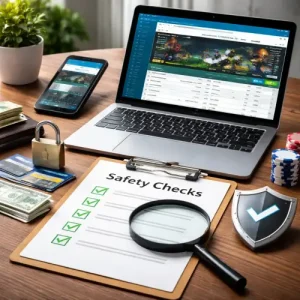
Check for independent audits by eCOGRA, iTech Labs, or GLI. Look for responsible gambling tools and clear terms. If you cannot find any, it is a red flag. But even then, the risks of offshore gambling sites remain high.
Do offshore sites support responsible gambling?
Rarely. Most lack self-exclusion tools, deposit limits, or links to problem gambling support. This is a dangerous limitation of offshore betting for vulnerable players.
What happens if an offshore site goes bankrupt?
You lose your balance. Regulated sites segregate player funds in separate accounts, protecting you in bankruptcy. Offshore sites generally do not, meaning your money is treated as the operator’s asset.
Can I get my money back if an offshore site scams me?
Almost never. Banks and payment processors usually refuse to intervene in gambling disputes. Local police have no jurisdiction. This is one of the most frustrating risks of offshore gambling.
Are there any legal offshore gambling sites ?
Yes, if the site is licensed in your home country or a jurisdiction recognized by your government. Always check your local laws before depositing. The key is avoiding unlicensed offshore operators.
How do offshore sites hide their location?
They use virtual office addresses in licensing jurisdictions, while their actual operations may be in another country entirely. This makes it nearly impossible to track them down if a dispute arises.
What should I do if I have already deposited at an offshore site?
Withdraw any remaining balance immediately if possible. Then close your account and monitor your bank statements for unusual activity. Report any fraud to your local consumer protection office.
Do offshore sites use fake game providers?
Some do. They might display logos of reputable studios like NetEnt or Microgaming without a license to use them. Always verify game providers on the developer’s official list of approved operators.
Is it safe to use offshore gambling sites with a VPN?
No. Using a VPN to bypass geographic restrictions may violate the site’s terms, leading to account closure and forfeiture of funds. It may also violate local laws, adding another layer of risk.