

Gambling Regulatory Authority Singapore Key Takeaways
The Gambling Regulatory Authority Singapore (GRA), established in August 2022, consolidates all gambling oversight under one body.
- The GRA issues and enforces licenses across all legal gambling channels, including online platforms.
- Player protection and responsible gambling mandates are central to GRA Singapore’s regulatory framework.
- Operators face strict penalties for breaches, making compliance a top priority in Singapore’s gambling landscape.

What Is the Gambling Regulatory Authority Singapore and Why It Matters
Singapore has long maintained a tightly controlled gambling environment. The formation of the Gambling Regulatory Authority Singapore (GRA) in 2022 marked a significant shift toward unified, modern oversight. Before the GRA, the Casino Regulatory Authority (CRA) only covered the two casino resorts. Lotteries, sports betting, and emerging online gambling fell under different agencies or legislation. The GRA brought everything under one roof, creating a cohesive regulatory system. For a related guide, see High-Risk Reality: 5 Essential Warnings on Online Casino.
Today, the GRA Singapore role extends from licensing operators to enforcing rules and promoting responsible play. For anyone involved in gambling in Singapore—whether as an operator, a player, or simply an observer—understanding how this authority works is essential. It sets the rules, checks compliance, and imposes consequences when those rules are broken. For a related guide, see 7 Essential Features of the Gambling Control Act Every Online.
The Legal Foundation of the GRA
The GRA operates under the Gambling Control Act 2022, which repealed and replaced older laws such as the Betting Act and the Common Gaming Houses Act. This legislation grants the GRA broad powers to license, monitor, and enforce Singapore gambling regulation. It also criminalises unlicensed gambling and advertising, making the legal landscape far clearer than before.
Why a Single Regulator Matters
Consolidation brings several advantages. Operators now deal with one licensing body rather than multiple agencies. Players benefit from consistent standards for fairness and security. Law enforcement gains a central point of contact for coordinating action against illegal gambling. This unified approach strengthens the entire framework of GRA licensing enforcement across all channels.
Key Roles of the GRA: Licensing, Enforcement, and Player Protection
The GRA Singapore performs three core functions that define its regulatory model. Each role supports the others, creating a balanced system that allows legal gambling while curbing harm.
Licensing Authority
No gambling operation can function legally in Singapore without a license from the GRA. This applies to casino operators (Marina Bay Sands and Resorts World Sentosa), Singapore Pools for lotteries and sports betting, and any approved remote gambling service. The licensing process involves rigorous background checks, financial probity assessments, and ongoing reporting obligations. The GRA also sets conditions for each license, such as limits on advertising and mandatory responsible gambling features. For a related guide, see FreeSpinsSingapore.com Review Process: 5 Proven Research Steps.
Enforcement and Compliance
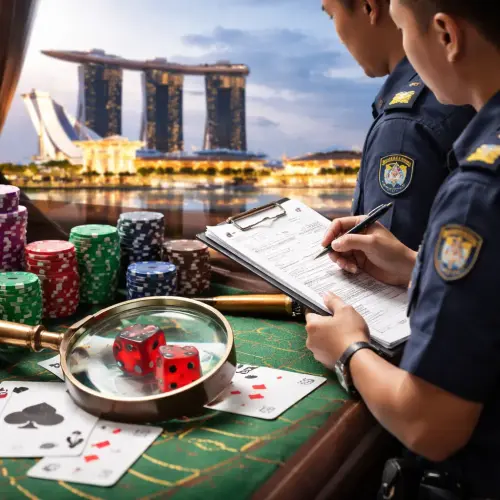
The GRA Enforcement Division investigates breaches of the Gambling Control Act and related offences. This includes unlicensed gambling, cheating, money laundering, and failure to implement responsible gambling measures. The authority can impose fines, suspend or revoke licenses, and refer cases for prosecution. Recent high-profile actions include raids on illegal betting syndicates and penalties against operators who allowed underage gambling. Strong GRA licensing enforcement acts as a deterrent and maintains public trust.
Player Protection and Responsible Gambling
A key priority for the GRA is preventing gambling addiction and protecting vulnerable groups. It mandates that all licensed operators provide self-exclusion programmes, deposit limits, and time-out features. The GRA also funds and works closely with the National Council on Problem Gambling to offer counselling and public education. These measures are part of a broader strategy for responsible gambling Singapore, aiming to keep gambling a safe form of entertainment rather than a source of harm.
Impact of the GRA on Singapore’s Gambling Landscape
Since its establishment, the GRA has reshaped how gambling operates in Singapore. The most visible change is the expansion of legal gambling channels. Online sports betting and lottery sales are now permitted through licensed platforms, which has reduced demand for illegal offshore sites. The GRA has also tightened rules on junkets and casino marketing, limiting their ability to encourage excessive play.
Another major impact is the increased transparency around enforcement actions. The GRA publishes regular enforcement bulletins and annual reports, giving the public a clear picture of compliance trends and penalties. This openness reinforces the credibility of Singapore gambling regulation and helps players make informed choices.
How the GRA Addresses Emerging Challenges
New gambling formats, such as fantasy sports and cryptocurrencies, present ongoing challenges. The GRA has the authority to classify any activity as gambling and subject it to licensing requirements. This adaptability is crucial as technology evolves. The authority also collaborates with international regulators to share intelligence on cross-border gambling activities.
Challenges Facing the GRA and the Future of Gambling Regulation in Singapore
Despite its successes, the Gambling Regulatory Authority Singapore faces several hurdles. Illegal gambling remains persistent, especially through overseas websites that target Singaporeans. Enforcing laws across borders is difficult, and the GRA relies on payment blocking and internet filtering as primary tools. Criminal syndicates also continue to innovate, using encrypted messaging apps and digital currencies to evade detection.
Another challenge is balancing revenue generation with social responsibility. Casinos contribute significantly to Singapore’s economy, but problem gambling rates, while low compared to global averages, are a concern. The GRA must continually refine its approach to ensure that commercial interests do not overshadow player welfare.
Looking ahead, the GRA is expected to expand its focus to emerging technologies. Artificial intelligence for monitoring player behaviour, better data-sharing with financial institutions, and enhanced public education campaigns are all likely developments. The authority’s ability to stay ahead of trends will determine its long-term effectiveness in shaping responsible gambling Singapore.
Practical Tips for Staying Compliant with GRA Rules
Whether you are an operator or a player, understanding GRA requirements helps you avoid penalties. Here are the most important steps to follow.
For Operators
- Obtain the appropriate license before offering any gambling service—including online platforms.
- Implement mandatory responsible gambling tools such as deposit limits, session reminders, and self-exclusion options.
- Conduct regular staff training on anti-money laundering and customer due diligence.
- Submit required reports on time and cooperate fully with GRA inspections.
For Players
- Only gamble through licensed operators listed on the GRA’s official registry.
- Set personal spending and time limits before you start playing.
- Use the self-exclusion programme if you feel your gambling is becoming problematic.
- Report any suspected illegal gambling to the GRA enforcement hotline.
Useful Resources
For more detailed information on the GRA and its functions, visit the following official sources:
- Gambling Regulatory Authority Singapore Official Website – Access licensing guidelines, enforcement notices, and public education materials directly from the regulator.
- National Council on Problem Gambling Singapore – Find resources for problem gambling prevention, counselling services, and self-help tools endorsed by the GRA.
Frequently Asked Questions About Gambling Regulatory Authority Singapore
What does the Gambling Regulatory Authority Singapore do?
The GRA licenses, monitors, and enforces all legal gambling in Singapore, including casinos, lotteries, sports betting, and remote gambling, while promoting responsible play.
When was the Gambling Regulatory Authority Singapore established?
The GRA was formed in August 2022 under the Gambling Control Act 2022, replacing the Casino Regulatory Authority.
Is online gambling legal in Singapore?
Only online gambling operated by licensed entities such as Singapore Pools is legal. All unlicensed online gambling is prohibited.
How does the GRA enforce gambling laws?
The GRA conducts investigations, raids, and audits. It can impose fines, suspend or revoke licenses, and refer cases for criminal prosecution.
What is the GRA’s role in responsible gambling?
The GRA mandates responsible gambling features such as self-exclusion programmes, deposit limits, and time-out periods across all licensed operators.
Can I apply for a gambling license directly from the GRA?
Yes, operators must submit a formal application to the GRA, which includes background checks, financial assessments, and compliance with operational standards.
Does the GRA regulate Singapore Pools?
Yes, Singapore Pools is licensed by the GRA to offer legal lottery, sports betting, and online gambling services.
What penalties exist for unlicensed gambling in Singapore?
Unlicensed gambling can result in fines up to $500,000 and imprisonment for up to seven years under the Gambling Control Act.
How does the GRA protect underage individuals?
Licensed operators must verify age through national ID checks. The GRA conducts regular compliance audits and penalises operators who allow minors.
What is the difference between the GRA and the old Casino Regulatory Authority?
The CRA only regulated casinos. The GRA covers all gambling types across Singapore, including online and remote gambling.
Can I report illegal gambling to the GRA?
Yes, the GRA has a dedicated enforcement hotline and online portal for reporting suspected illegal gambling activities.
Does the GRA regulate fantasy sports?
Yes, the GRA can classify fantasy sports contests as gambling if they involve entry fees and monetary prizes, requiring a license.
What is the GRA’s stance on cryptocurrency gambling?
Cryptocurrency gambling falls under the GRA’s jurisdiction if it involves betting on games of chance or sports. Licensed operators must comply with anti-money laundering rules.
Are foreign online casinos allowed to target Singaporeans?
No. It is illegal for any unlicensed operator, foreign or local, to offer gambling services to people in Singapore.
How does the GRA coordinate with other countries?
The GRA collaborates with international regulators through information-sharing agreements and joint enforcement initiatives.
Can I gamble legally in Singapore as a tourist?
Yes, tourists can gamble at licensed casinos, but must pay an entry levy of $100 (or $150 for annual) and are subject to the same responsible gambling safeguards.
What is the GRA’s role in anti-money laundering?
The GRA requires all licensed operators to implement AML policies, conduct customer due diligence, and report suspicious transactions.
Does the GRA publish enforcement statistics?
Yes, the GRA issues quarterly enforcement bulletins and annual reports detailing actions taken against illegal gambling and regulatory breaches.
How do I apply for a self-exclusion from all licensed gambling venues?
You can apply through the National Council on Problem Gambling or directly with any GRA-licensed operator. The exclusion covers all legal gambling channels.
Will the GRA expand its remit to include new technologies in the future?
Yes, the GRA regularly reviews emerging trends such as skill-based gaming, virtual reality gambling, and micro-betting to ensure its regulations remain effective.